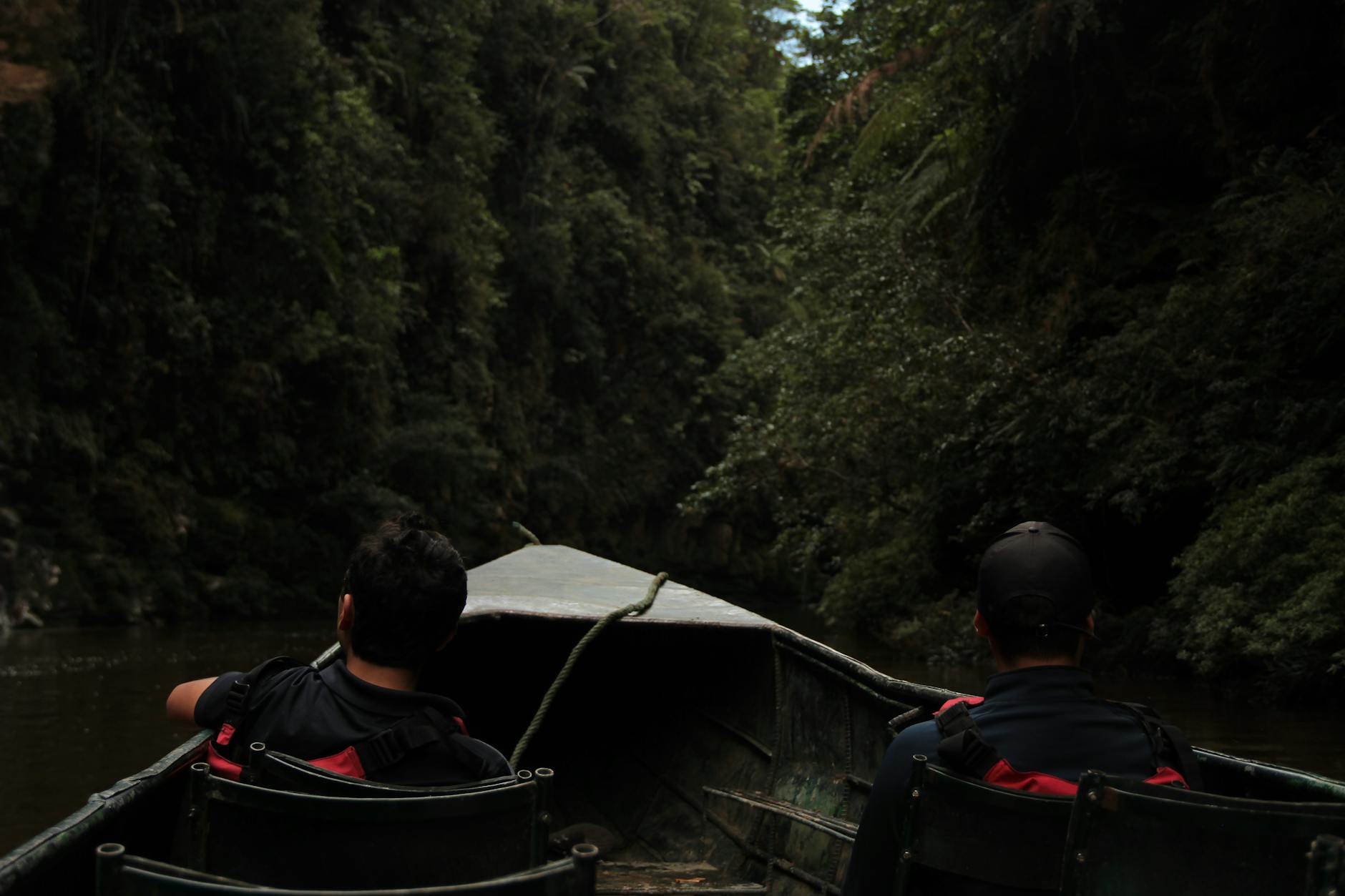
How Australia's Ecosystems Inspire Research on the Galapagos Islands

Unique Features of Australia
Australia's unique biodiversity offers a glimpse into nature's adaptability through its rich ecosystems, which are mirrored in the inspiring landscapes of the Galapagos Islands. Both regions highlight extraordinary adaptations critical for survival in diverse climates. In Australia, from the dense foliage of the Daintree Rainforest to the vibrant marine life near Green Island in the Great Barrier Reef, each habitat serves as a living laboratory for studying ecological dynamics and resilience.
Diverse Ecosystems Explored
Australia is home to a vast array of ecosystems, each playing a crucial role in the global biodiversity puzzle. The country's terrain ranges from arid deserts to lush rainforests and bustling coastal environments. These diverse systems support countless species, with each ecosystem acting as a protective cradle for various flora and fauna. Notably, the intricate interplay between land and sea provides research highlights for emerging scientists and seasoned professionals tackling estimates of climate impact.
Adaptations and Biodiversity
The adaptations of Australia's wildlife provide fascinating insights into evolutionary biology. Marsupials, such as koalas and kangaroos, exhibit unique reproductive habits essential for survival. Similarly, the flora has evolved drought-resistant characteristics, a fact that intrigues biologists like myself involved with Antarctica cruises who appreciate how organisms creatively adapt to extreme conditions. This knowledge translates into a broader understanding of global biodiversity patterns.
Conservation Success Stories
Australia’s conservation initiatives serve as inspiring case studies for researchers globally. Restoration of the Great Barrier Reef and protection of endangered species through innovative programs demonstrate successful outcomes. These efforts align well with the conservation themes in South America tours, where educational and responsible tourism is key to preserving natural heritage. It is through learning from these successes that we continue to empower future generations in their quest to make meaningful ecological contributions.
Galapagos Research Insights
Key Research Areas
Australia's marine biodiversity, underpinned by areas like the Great Barrier Reef, offers insightful parallels to research in the Galapagos Islands. Our research highlights focus on unique evolutionary adaptations specific to the distinct climate and environment of these islands. Understanding these intricacies provides a foundation for identifying factors that maintain the ecological balance, crucial amidst fluctuating global conditions. Cuban ecosystems often provide contrasting insights, offering a broader scope of understanding Cuba travel.
Biodiversity Comparisons
The Galapagos Islands and Australia's habitats, like the Daintree Rainforest, both house unique flora and fauna that serve as exemplars of biodiversity. Comparative studies enable us to appreciate how regional factors shape species development and interactions. Australian herbivorous marsupials and Galapagos tortoises, for instance, highlight different evolutionary paths responding to distinct landscapes. Both regions invite significant inquiry into evolutionary processes and adaptive capabilities.
Evolutionary Studies
Machu Picchu, with its mix of diverse species and ancient agricultural remnants, complements learnings from the Galapagos about evolutionary pressures and adaptations. Researchers are tasked with piecing together the evolutionary history, providing a backdrop for understanding species-specific survival strategies that some Australian species share. Experiences like Machu Picchu tours allow visitors to witness this intersection of history and biodiversity firsthand. Such research equips us to predict changes in biodiversity, informing conservation measures and sustainable practices.
Cross-continental Studies
Methodologies Employed
In the realm of cross-continental research, marine biologists like myself have drawn parallels between Australia's vibrant ecosystems and the unique biodiversity of the Galapagos Islands. Our work often leverages methodologies honed on the Great Barrier Reef, including advanced reef health monitoring systems and satellite imaging. These tools help us yield a fuller picture of how climate change impacts marine life across varied terrains, from the aquatic corridors of the Galapagos cruise routes to the lush expanses found near Green Island.
Shared Challenges
Shared environmental pressures, such as ocean acidification and invasive species, make this a crucial area of study. Both the Australian and Galapagos regions face the destructive consequences of human activity, necessitating concerted conservation efforts. By illuminating these threats, we create opportunities for increased understanding and global cooperation.
Collaborative Initiatives
Collaborative efforts across the Pacific have been instrumental in formulating conservation strategies that address both local and global needs. Initiatives often feature the exchange of research findings and policy frameworks designed to effectively manage and protect fragile ecosystems. Tours in diverse habitats, through partnerships with responsible travel initiatives, like Cuba tours, can heighten public awareness and advocacy for conservation practices.
These collaborations not only deepen our scientific understanding but also empower communities. Leveraging insights from places like the Daintree Rainforest, we aim to instill stewardship values worldwide, ensuring the protection of our diverse and interlinked ecosystems.
Ecosystem Conservation Lessons
Australian Strategies Applied
Ecosystem conservation in the Galapagos Islands can benefit greatly from strategies honed here in Australia. One can't help but marvel at the successful conservation work in our unique ecosystems, which offers crucial lessons for global efforts. Australia's focus on community-led initiatives, robust environmental education programs, and preservation techniques is a model worth emulating. For instance, the community engagement in monitoring and protecting areas like the Daintree Rainforest has proven incredibly effective. Applying similar frameworks in the Galapagos could elevate the execution of conservation strategies there.
Adaptive Practices
The Galapagos Islands, much like Australia's own ecosystems, require adaptive approaches for effective preservation. Innovations from Arctic cruises add a layer of understanding to this narrative, proving impactful especially when dealing with shifting climates and biodiversity threats. The adaptive management techniques we’ve developed on our shores—such as controlled burning in Australian grasslands—can inform practices in the Galapagos. We must continuously survey and refine these methods to address variables such as climate change and invasive species, both critical concerns for these ecologically unique regions.
Community Involvement
It's essential to empower local communities, much like the efforts around the Cairns Esplanade Lagoon, to take an active role in conservation. Local participation not only ensures long-term commitment but also integrates invaluable indigenous knowledge into preservation activities. Encouraging community ownership and education, similar to initiatives here in Cairns, creates a sustainable model where people are deeply invested in protecting their natural environment. As we engage in Galapagos Islands tours, fostering community-led efforts will be vital for lasting conservation impact.
Addressing Shared Challenges
Threats to Ecosystems
In confronting the environmental threats that benumb both Australia and the Galapagos Islands, it's vital to consider the multifaceted issues at play. Rising sea levels, driven by climate change, endanger coastal ecosystems—similar to how waterlogged habitats are affected near the Cairns Esplanade Lagoon. Invasive species, another pressing threat, disrupt delicate ecological balances in the Galapagos just as they do in the Daintree Rainforest. An effective strategy to counter these invaders is community-driven management, where local stakeholders are empowered to actively participate in conservation efforts.
Barriers to Research
While our pursuit of knowledge is relentless, research endeavours face impediments like funding constraints and logistical challenges. These barriers are akin to navigating the diverse marine life research near Green Island, where obsticles to marine research often require innovative solutions. To circumvent these issues, fostering international collaborations can prove indispensable, enhancing access to shared resources and knowledge networks. It is through such collaborations that we can bridge gaps in expertise and funding.
Solutions and Innovations
Emerging technologies present groundbreaking opportunities for both research and conservation. Implementing remote sensing tools, for instance, allows for detailed monitoring of changes in biodiversity in real-time. Much like advancements observed in the study of the Great Barrier Reef, drones and satellite imagery are pivotal in examining the Galapagos ecosystems from a fresh perspective. Furthermore, adopting these technologies fosters a culture of community science engagement, ensuring that our collective efforts in research and monitoring are more inclusive and impactful.